What is a passkey?
A passkey is a replacement for your password. Instead of typing a username and password to sign in, you login with a cryptographic ‘key’ that is stored on your device (e.g. your phone) and validated with your fingerprint, face scan, or a PIN. Passkeys provide greater security when logging into your LSE account.
Although this guide covers the setup on an Android phone, the process on an iPhone is similar.
Prerequisites
-
Must have iCloud profile synced on the iPhone ( or iPad)
-
iCloud Keychain enabled - to enable it, go to Settings > Apple ID > iCloud > Password and Keychain
-
Bluetooth enabled on computer/laptop and the iPhone (or iPad)
To set up a passkey for your LSE account
On a computer, open your LSE account Security Info page at https://mysignins.microsoft.com/security-info. Sign in with your account password and MFA if prompted.
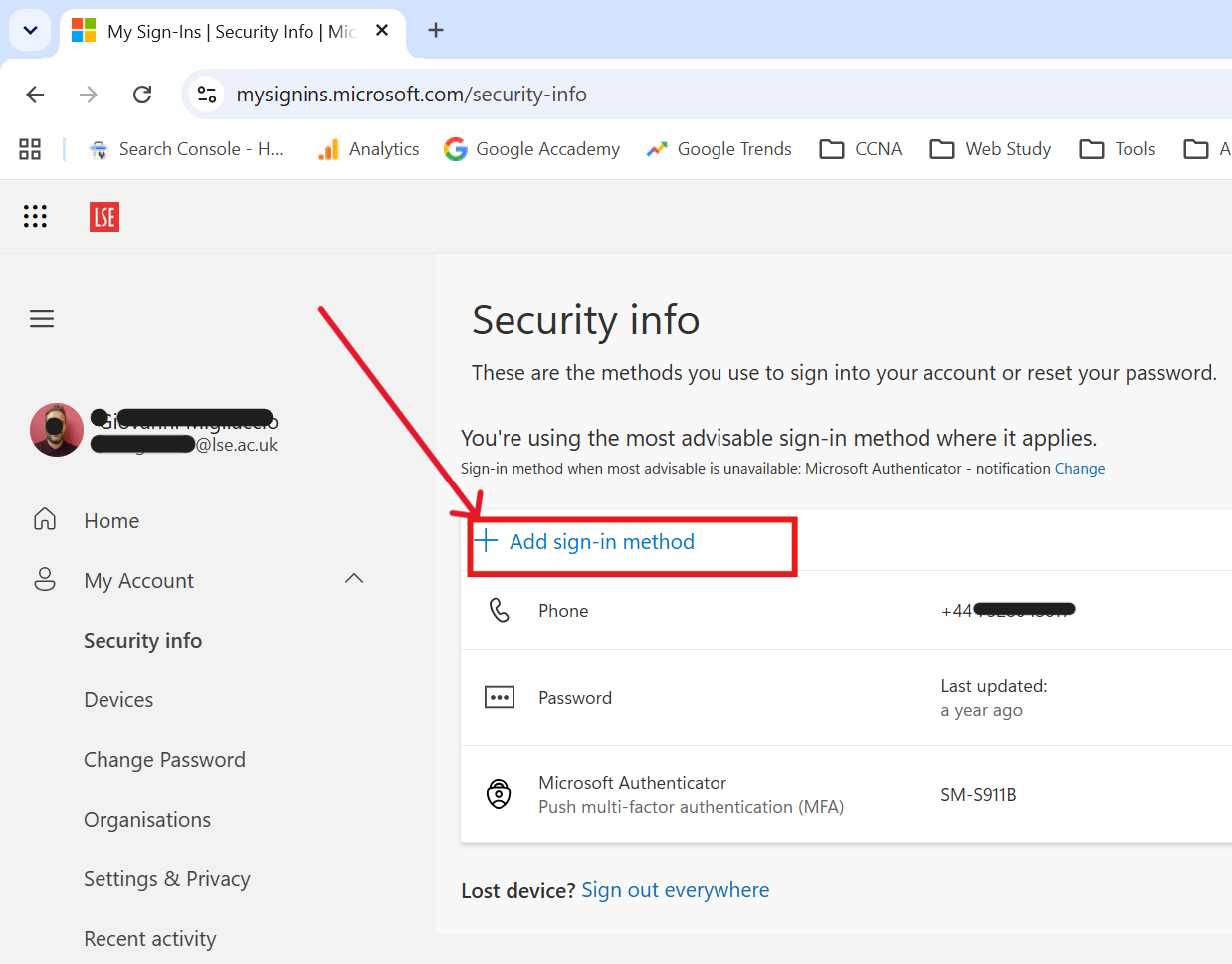
Click + Add sign-in method:
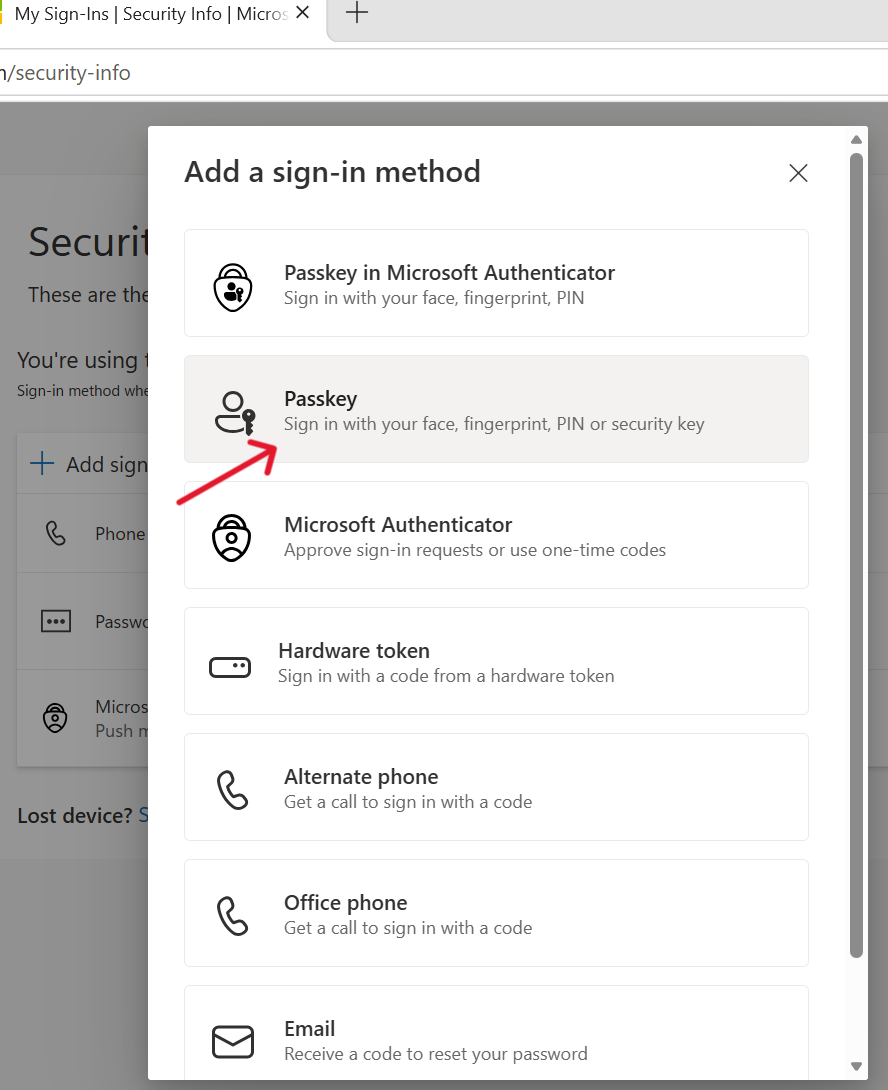
Select Passkey:
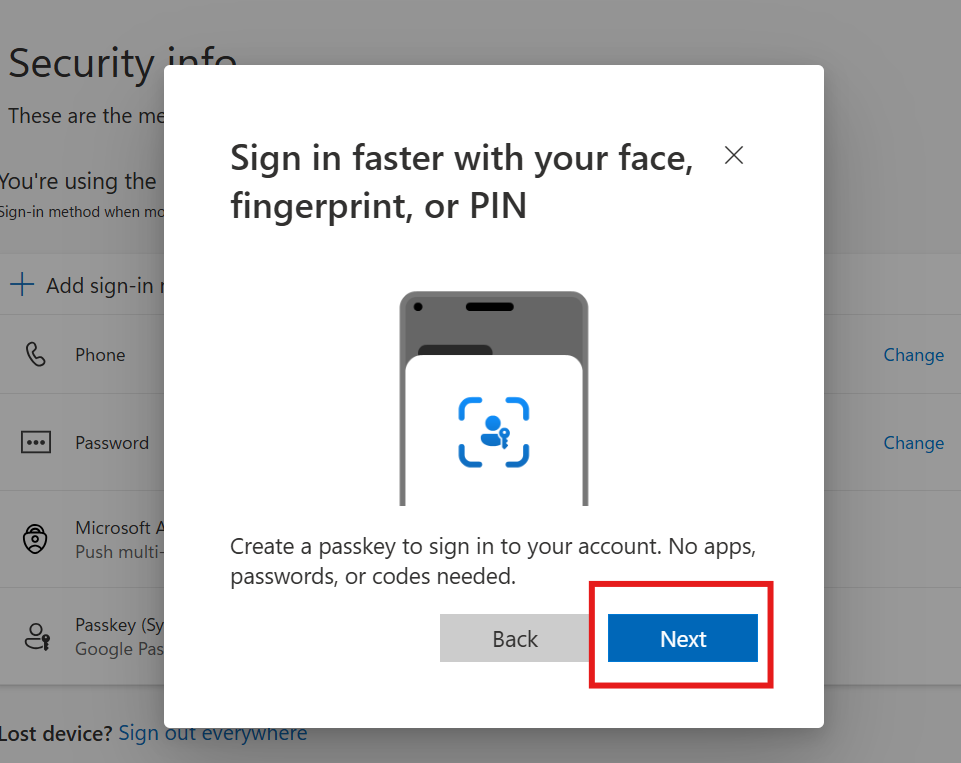
Click Next to continue the passkey setup:
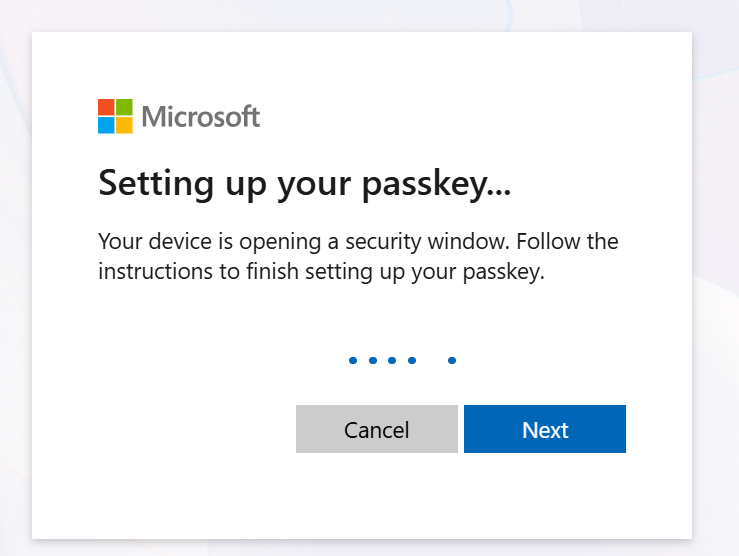
A window appears titled "Setting up your passkey...":
...followed by a prompt to set up the passkey on a Windows device. Click Change to bring up more options: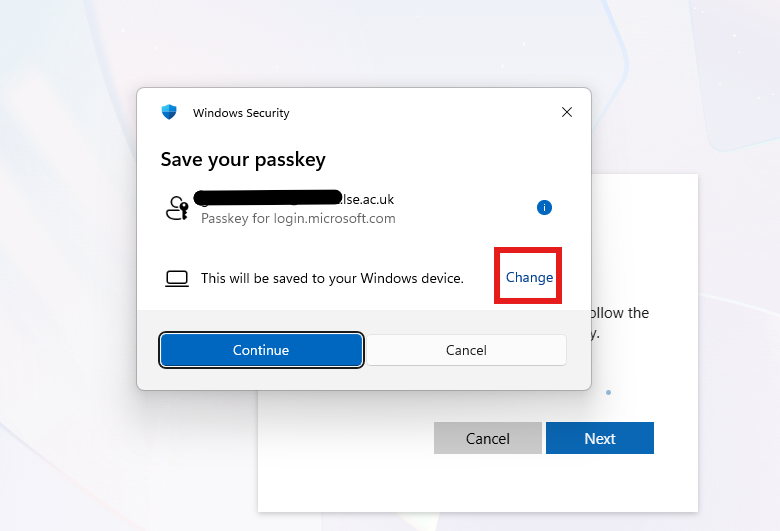
Click on iPhone, iPad, or Android device: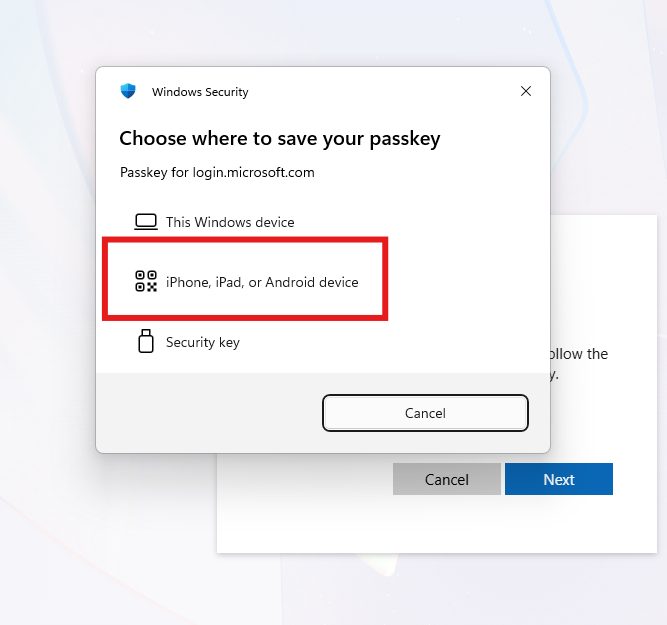
A QR code is displayed that you should scan with your phone's camera .
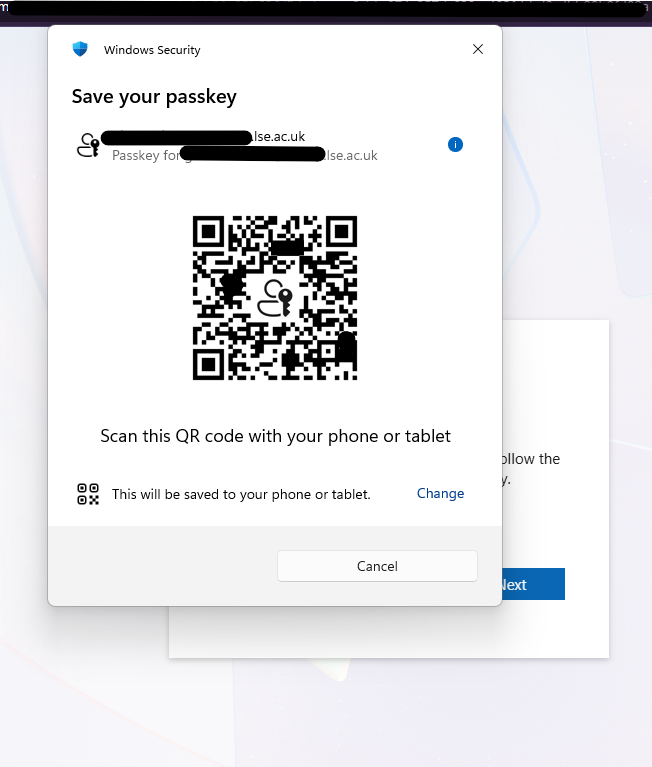 On your phone, tap on Save a passkey:
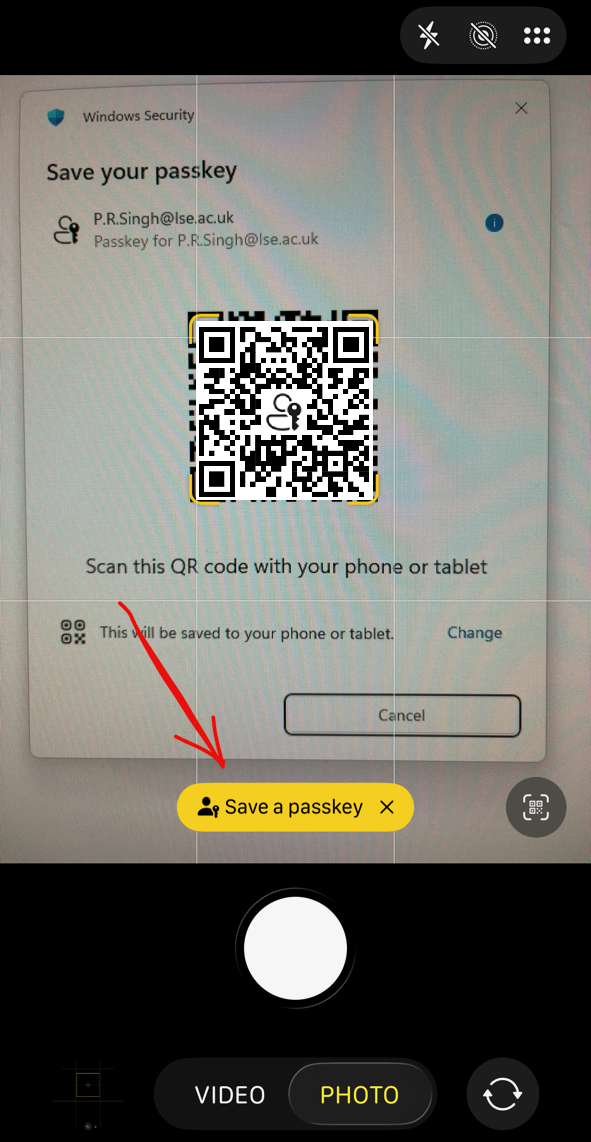
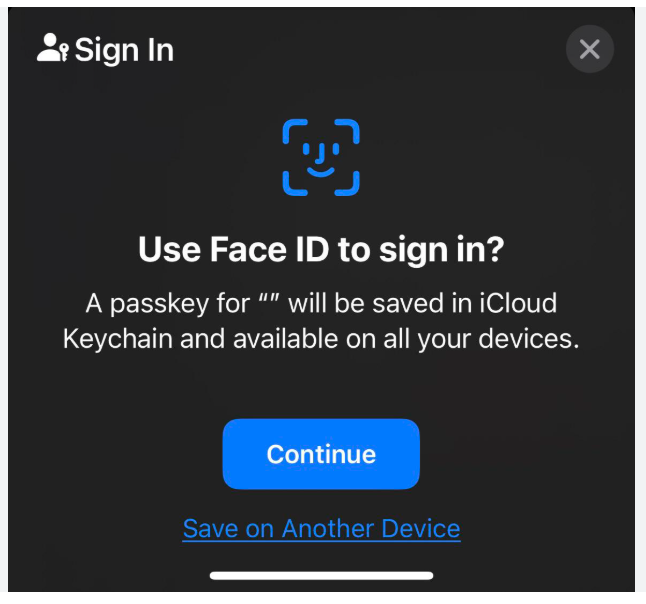
Use your biometrics to save the passkey and tap Continue:
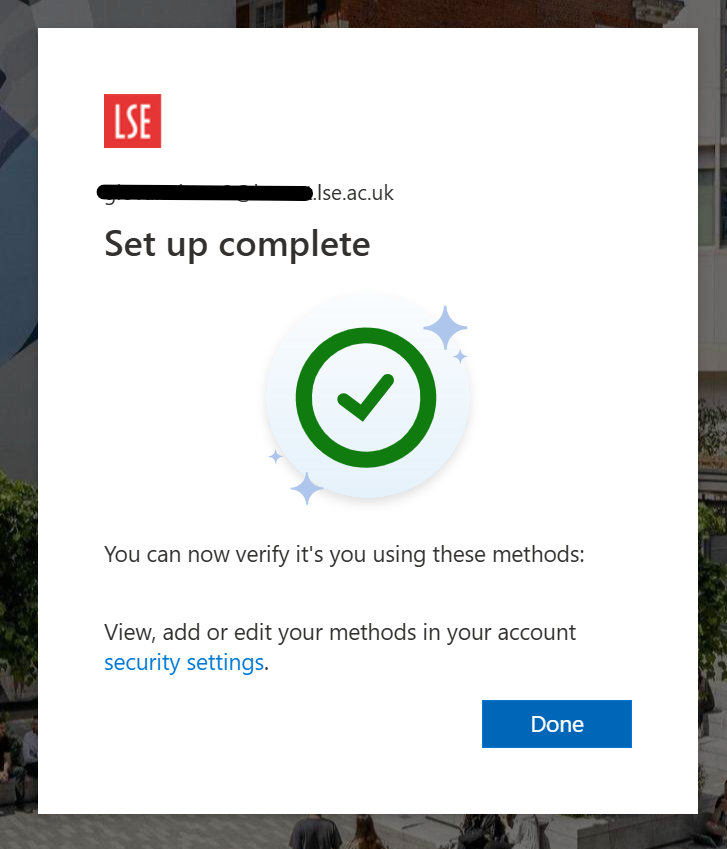
On the computer, the screen should confirm that the setup is complete:
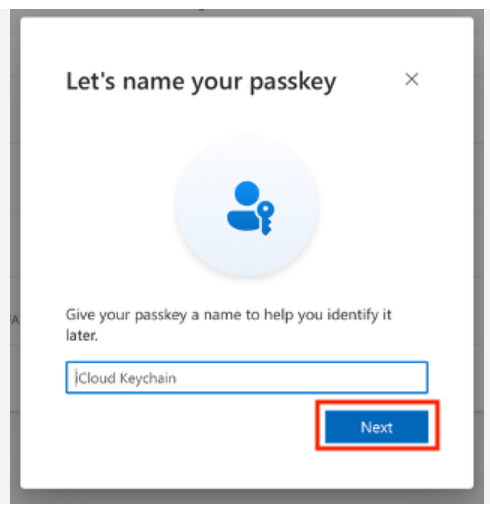
Once the passkey has been created you will be asked to give it name. Choose a meaningful name that will help you know what passkey it is (e.g. what phone or app) so you can tell it apart from other passkeys you create. You can create more than one passkey if you want. This can be helpful if you have different phones or use a password manager and a phone.
Your Security Info will now include the passkey:
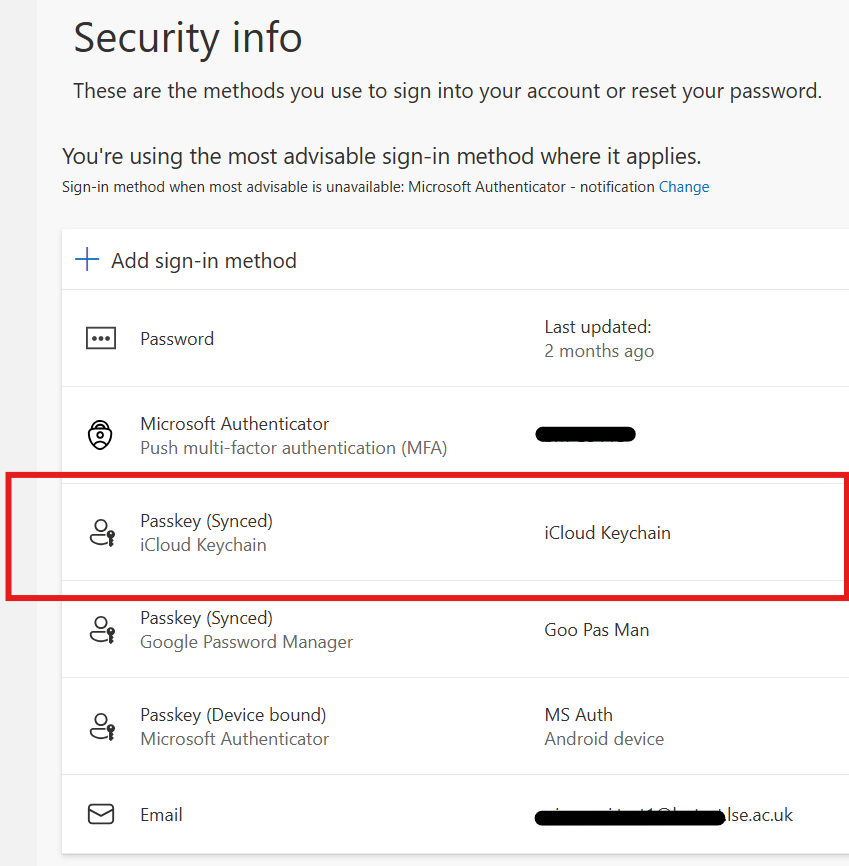
The passkey is now stored in Apple's iCloud Keychain and can be managed in the Apple Passwords app.
Logging on with your passkey
At the Microsoft Sign in box, instead of entering your email address you should click on Sign-in options:
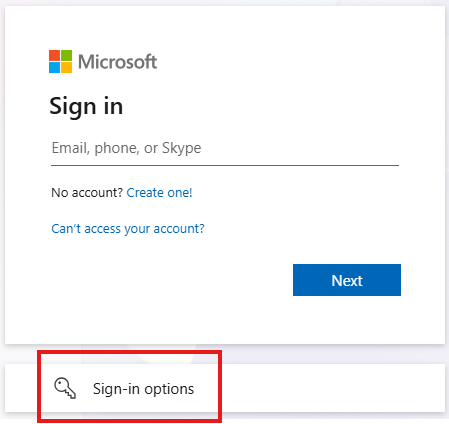
You can then choose Face, fingerprint, PIN or security key from the list of options:
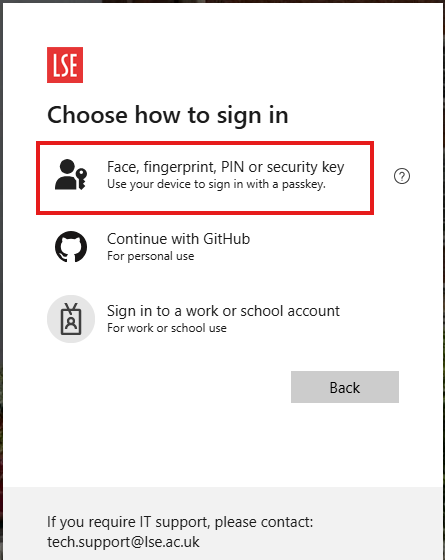
To authenticate using passkey, at a sign in prompt, select iPhone, iPad or Android device:
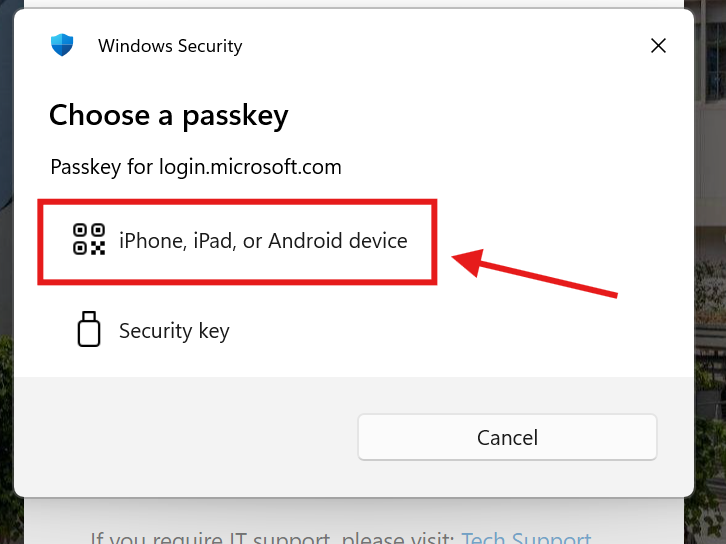
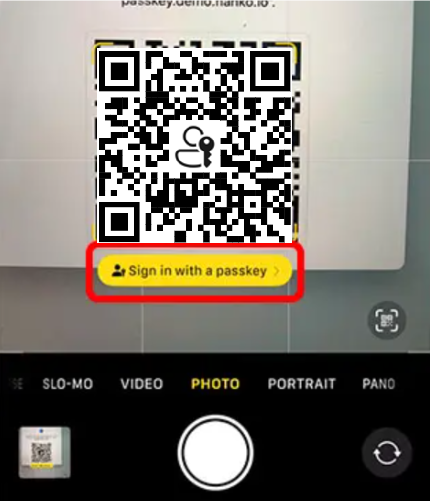
A QR code is displayed. Scan this with your phone camera:
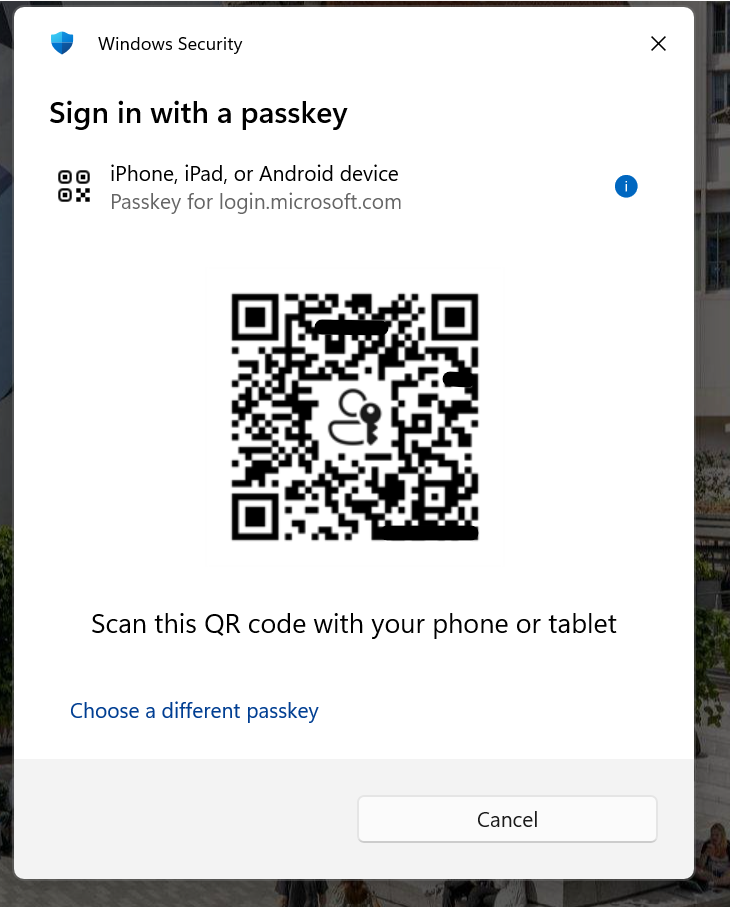
On your phone, select Sign in with a passkey to sign in. The phone will find the correct passkey stored in iCloud Keychain and will ask to complete the authentication with your pin or biometrics.
Note that you should not need to enter your password when signing in with your passkey.