What is a passkey?
A passkey is a replacement for your password. Instead of typing a username and password to sign in, you login with a cryptographic ‘key’ that is stored on your device (e.g. your phone) and validated with your fingerprint, face scan, or a PIN. Passkeys provide greater security when logging into your LSE account.
For more information about passkeys see Using passkeys to sign into your LSE account
Logging on with your passkey
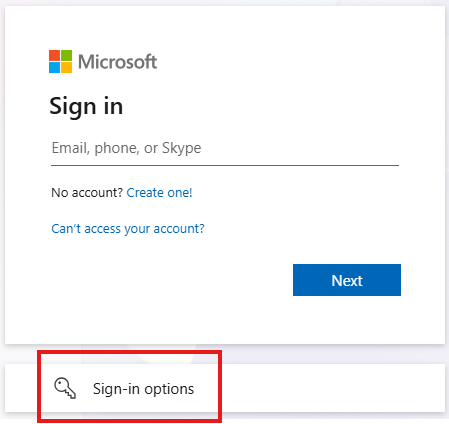
At the Microsoft Sign in box, instead of entering your email address you should click on Sign-in options:
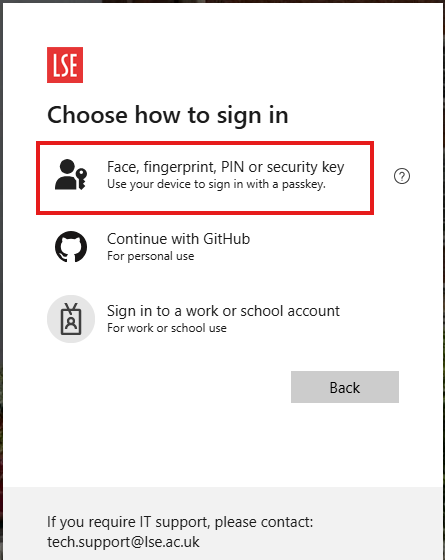
You can then choose Face, fingerprint, PIN or security key from the list of options:
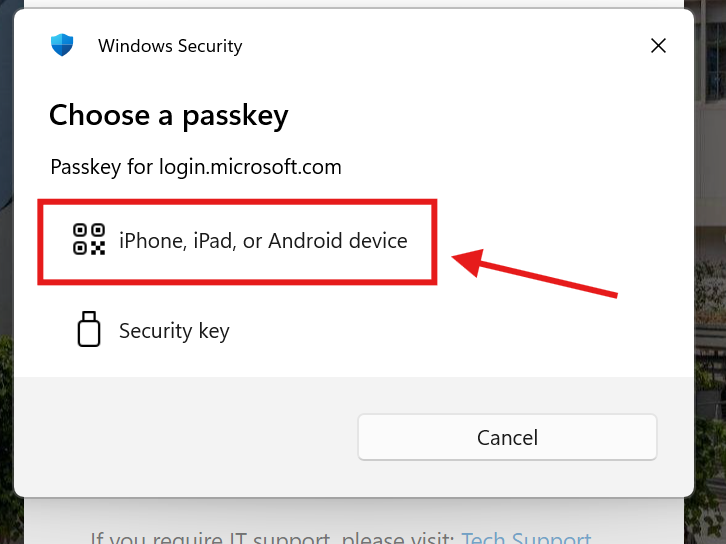
To authenticate using passkey, at a sign in prompt, select iPhone, iPad or Android device:
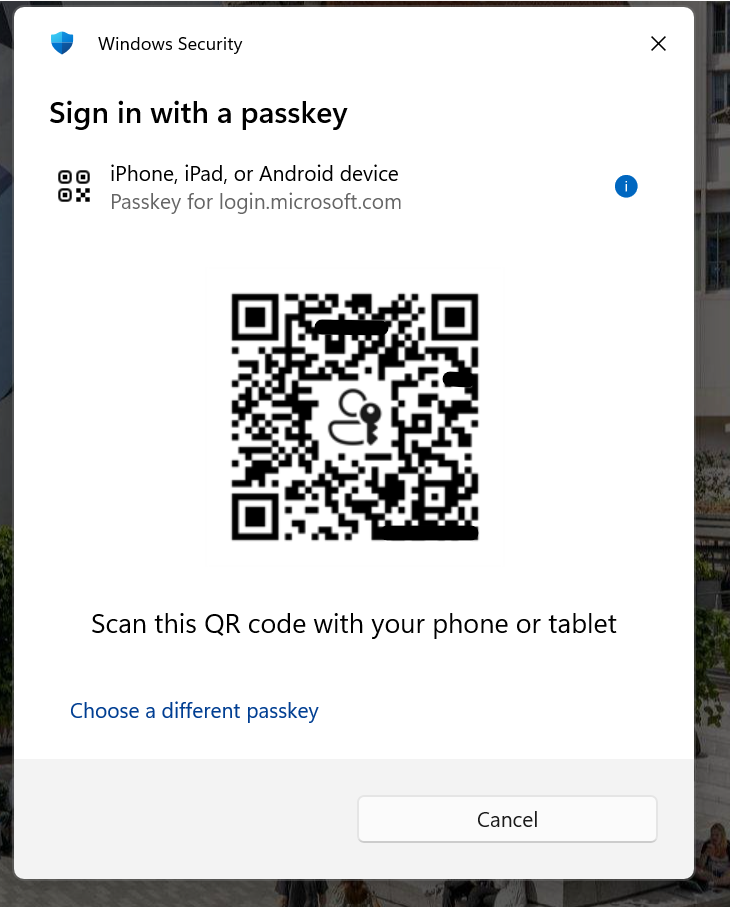
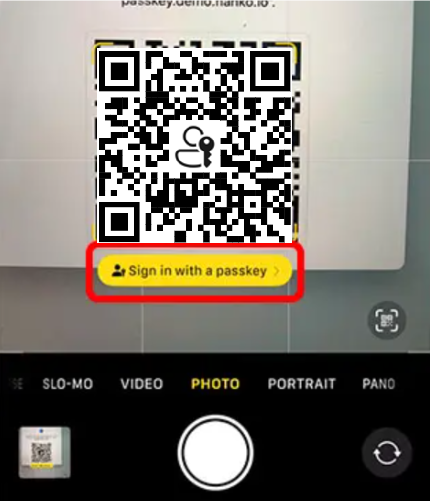
A QR code is displayed. Scan this with your phone camera:
On your phone, select Sign in with a passkey (iPhone) or Use your saved passkey (Android) to sign in.
The phone will let you select the passkey from available passkeys stored on the phone in apps such as Microsoft Authenticator, Apple Passwords, Google Password Manager, Bitwarden, 1Password and others.
You will need to complete the authentication with your pin or biometrics.
Note that you should not need to enter your password when signing in with your passkey.