Religious Imaginations is a religious literacy project of the LSE Faith Centre, kindly supported by Culham St Gabriel’sTrust.
Religions are imaginative frameworks that shape how believers interact with the world, in patterns that are recognisable but not uniform. In these films, we focus on a key concept within the six featured religious imaginaries, to build understanding of both the unity and the diversity within the world faith traditions.
We offer these films as a resource for use by students, companies, and public service departments as a starting point for developing religious literacy skills.
 Suffering: The Buddhist Imagination
This video explores key concepts in Buddhism. LSE Faith Centre
Suffering: The Buddhist Imagination
This video explores key concepts in Buddhism. LSE Faith Centre
 Kingdom: The Christian Imagination
This video explores key concepts in Christianity. LSE Faith Centre
Kingdom: The Christian Imagination
This video explores key concepts in Christianity. LSE Faith Centre
 Dharma: The Hindu Imagination
This video explores key concepts in Hinduism. LSE Faith Centre
Dharma: The Hindu Imagination
This video explores key concepts in Hinduism. LSE Faith Centre
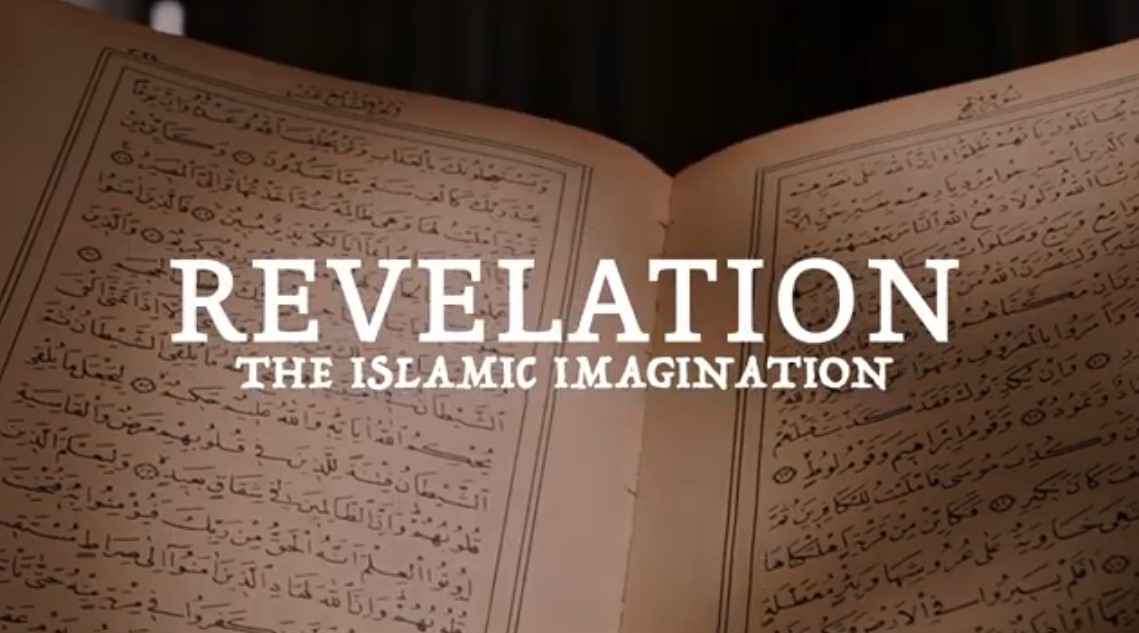 Revelation: The Islamic Imagination
This video explores key concepts in Islam. LSE Faith Centre
Revelation: The Islamic Imagination
This video explores key concepts in Islam. LSE Faith Centre
 Covenant: The Jewish Imagination
This video explores key concepts in Judaism. LSE Faith Centre
Covenant: The Jewish Imagination
This video explores key concepts in Judaism. LSE Faith Centre
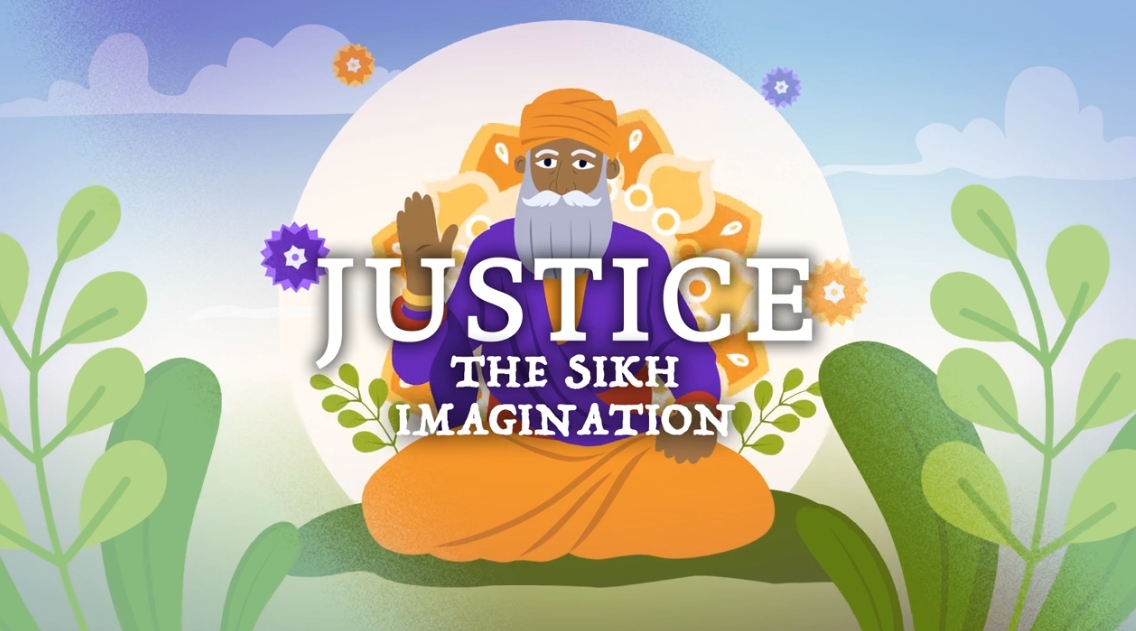 Justice: The Sikh Imagination
This video explores key concepts in Sikhi. LSE Faith Centre
Justice: The Sikh Imagination
This video explores key concepts in Sikhi. LSE Faith Centre